
Playing cards with real cash on the table always tests patience more than luck. I spent a few sessions at a red baron table to see how the interface actually holds up when you are trying to place a split hand without fumbling through menus. The pace of play matters here, because a slow lobby can turn a quiet arvo into a frustrating one. We will look at the layout, the localisation, and whether the flow suits a methodical player rather than a spinner chasing noise.
Interface And Localisation That Actually Fit The Game
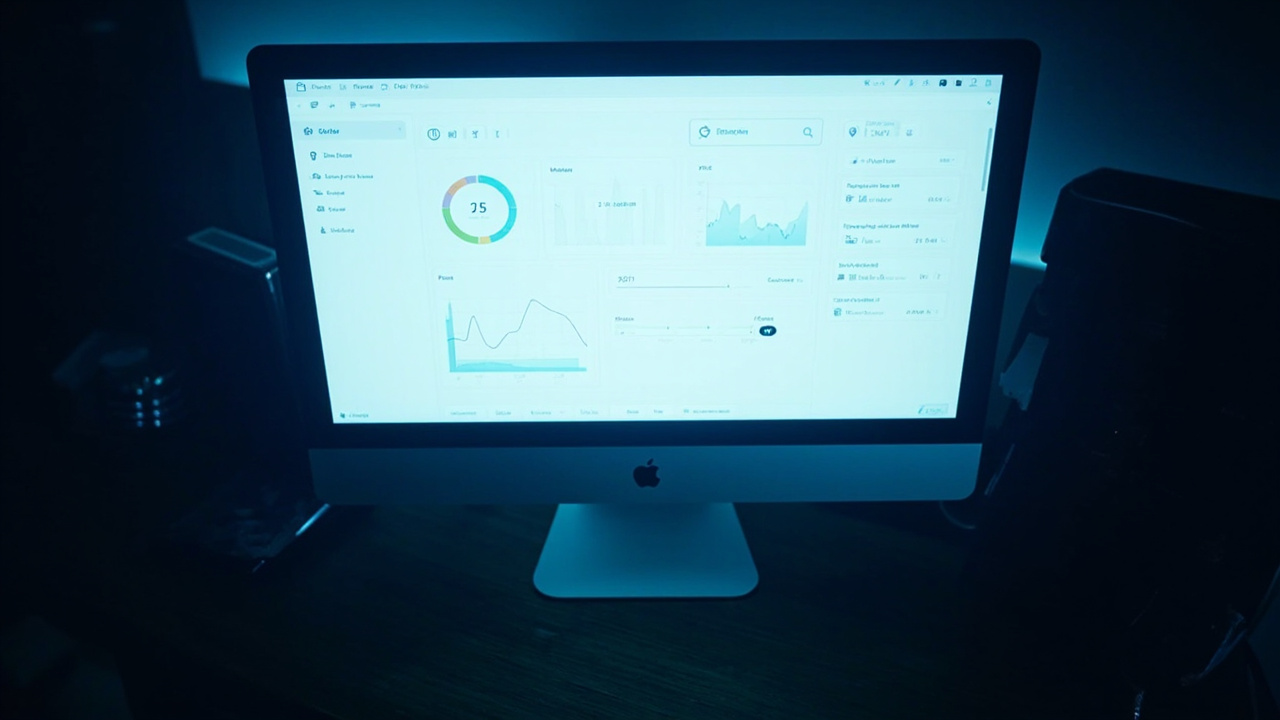
The visual identity leans clean rather than flashy, which suits a game built around slow decisions and reading two hands instead of chasing bright lights. Navigation sits in a predictable left rail, with the table lobby, cashier, and support grouped so you are not hunting for the next move between in the article deals. Language and currency default to Australian dollars, and the labels stay in plain English without awkward translations that trip you up mid-hand. Search works well enough for finding the Pai Gow table quickly, though the results could sort by stake range instead of just name. The registration flow asks for the usual details, keeps verification steps visible, and does not bury the fine print behind vague promises. Mobile layout shrinks the table without cramming the split-hand controls, which is the part that needs room to breathe. Support is reachable through a live chat window that opens in a side panel, so you are not forced out of the lobby to ask a simple question about a pending withdrawal.
| Feature | What We Saw |
|---|---|
| Currency | AUD default, clear stake display |
| Navigation | Left rail, table lobby easy to reach |
| Search | Fast, could rank by stake better |
| Mobile | Controls stay readable on a phone |
| Support | Side-panel chat, no full page reload |
Two Player-Fit Scenarios For The Same Table
A Methodical Player Who Likes Control Over Pace
This game rewards someone who would rather think than rush, because the split-hand mechanic gives you a real say in how the two sets land. If you are the type who likes to set your own tempo and watch the dealer hand unfold without pressure, the table logic here works in your favour. The lobby does not shove you toward faster games every time you log in, which is a fair go for anyone who treats wagering like a measured pastime instead of a sprint. I would rather see a quiet table with sensible defaults than a noisy feed pushing the next deal before you have finished arranging your tiles. The pace stays steady, and the controls do not disappear while you are deciding how to split your seven cards. That matters more than a flashy welcome screen when you are playing for real money and want the interface to stay out of the way.Waar Online Poker Spelen: A Clear
A Local Player Who Wants Straightforward Cash Handling
Anyone based around Canberra will probably care more about how deposits and withdrawals read on the screen than about decorative flourishes on the table felt. The cashier keeps AUD front and centre, and the payment options sit in a tidy list without making you click through three pages to find the one you actually use. I have seen rooms where the balance display changes depending on how you got there, which is the kind of sloppy detail that turns a simple session into a headache. Here the numbers stay consistent from the lobby to the history tab, and the pending withdrawals show a clear status instead of a vague promise. If you are logging in after work and want to move money without a scavenger hunt, that consistency is worth more than a stacked bonus menu. The localisation feels built for a local player who wants the numbers to make sense the first time, not after a support ticket.
Linking The Setup To What A Player Actually Needs
The real test is whether the room stays usable when you are not just browsing but actually playing for real money and watching the balance move. A clean table means little if the cashier feels like a separate product, and a smooth deposit means little if the lobby keeps nudging you toward games that do not match your rhythm. For a player who wants Pai Gow poker real money casino action without the interface shouting over the game, the balance between layout and localisation is the part that decides whether you come back. The pace, the language, and the way the stake readouts sit on screen all point to a room built for deliberate hands rather than impulse clicks. That is the difference between a place you open once and a place you keep in the bookmarks.

If you want a room that keeps the table readable, the money clear, and the pace under your control, this setup makes more sense than a loud lobby built for speed over sense.